My Catfish Victim Is Actually My Bestie’s Brother


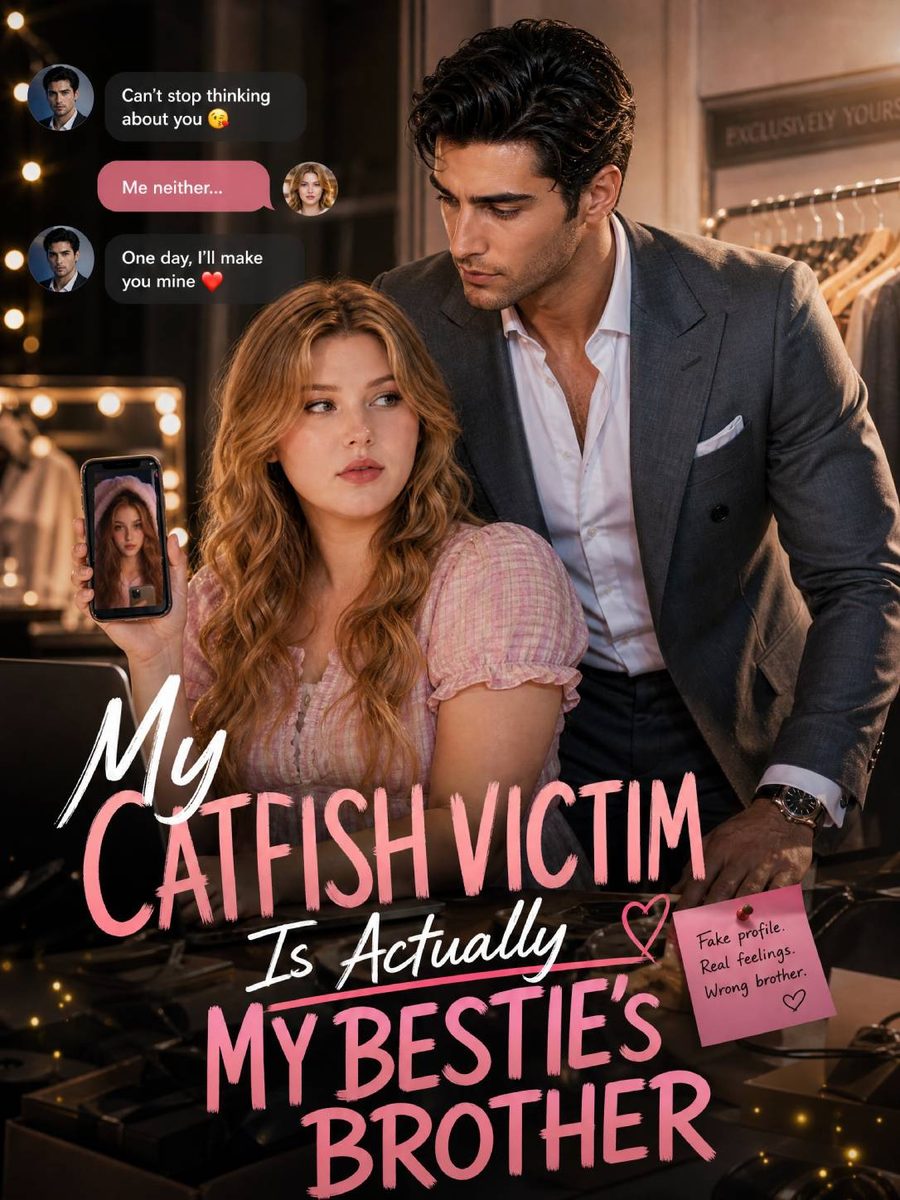
Episode 1 — My Catfish Victim Is Actually My Bestie’s Brother
About
A woman who catfished her online boyfriend and ghosted him ends up living with her best friend, whose brother is the man she hurt. She sent him a photo that was never hers, then vanished without a word. Now the lead is living under her best friend's roof, sure that the man she misled is someone she will never have to face again. Her plan rests on one rule: keep her distance and keep the truth buried. That rule starts to crack the moment she realizes the household she has moved into belongs to the one family she cannot afford to lie to. The tension grows out of small moments. At breakfast, in the hallway, during conversations that should be harmless, she has to act like someone she is not, while the man she hurt has no idea who she really is. Every kind gesture makes her guilt heavier, and every suspicion from him feels like a countdown. The stakes rise with each day she stays silent. Her best friend trusts her completely, and the longer the lie lasts, the more it costs everyone close to her. Between them, something unexpected begins to form, and neither of them is ready to admit it. What sets My Catfish Victim Is Actually My Bestie’s Brother apart is how seriously it takes the guilt while still finding room for sharp humor and awkward, tender moments. If you are drawn to a forbidden crush, a secret identity, or an enemies-to-lovers pull, the premise delivers all three under one roof. Every scene keeps asking the same question: how long can a lie survive when the people it hurts are sitting across the dinner table? The answer is still unfolding, and that is what keeps the tension climbing.